







Black Beans
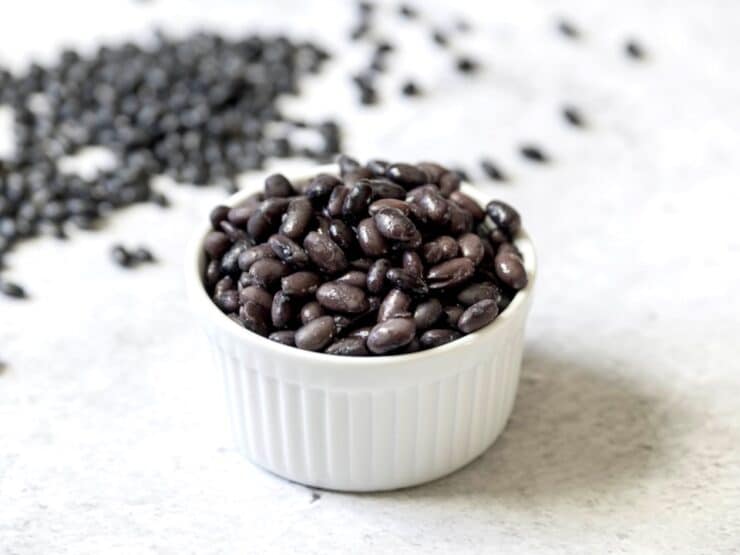
The black bean is a small, dark, shiny variety of common beans. Black beans are one of more than 500 varieties of kidney beans. These are popular in Latin American cuisine. Black beans are native to America but have been introduced around the world in early 1900’s. They are also used in Punjabi cuisine and are referred to as Rajma. In America and Mexico, they are also known as black turtle beans. These beans are ultra-flavorful and have a creamy texture with a strong, slightly sweet flavor when cooked right. Black beans are about the size of an oblong pea, up to 1/2-inch long, with the slightly less pronounced boat-shape common to kidney beans. As per their name, black beans have black skin and a white center.
Black beans are rich in plant-based protein and fiber containing relatively high amount of plant based protein, simple carbohydrates and very low in fats. They are also fantastic source of folate, thiamine (vitamin B1), magnesium, manganese, and phosphorus. If you are under the notion that beans are “unhealthy,” it’s because beans contain lectins. They have received much attention due to popular media and fad diet books quoting lectins as a major cause for obesity and autoimmune diseases. The fact is Lectins are naturally present in many plant-based foods and are considered as anti-nutrient. If the black beans are properly cooked there is no reason for concern.
Fun Fact
You might be surprised to hear that black beans are not actually black. They are in fact so blue that they appear black.
Nutritional Benefits
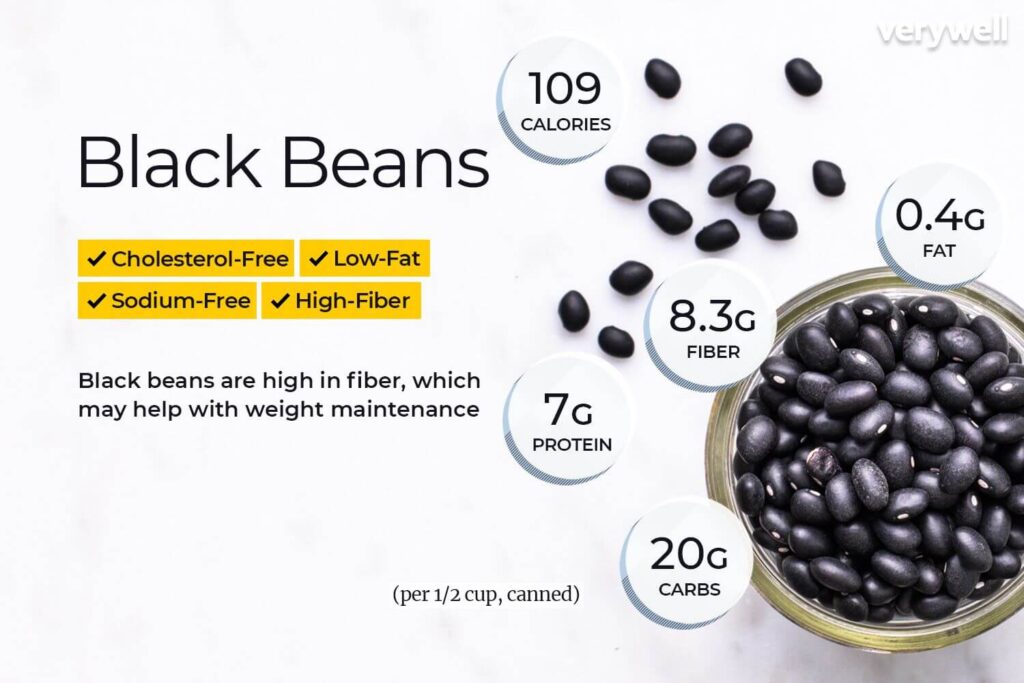
Incorporating black beans as part of a balanced diet can reduce your risk of diabetes, heart disease, and certain types of cancers. Studies have also confirmed that combo of plant-based protein and fibre can help slow the glycaemic response to any meal. This means a person who is diabetic will experience fewer spikes and crashes in blood sugar level. Even if you’re not diabetic, swapping the complex carbs present in black beans for starches and refined grains will help you maintain steadier energy levels. Like other legumes, such as peanuts, lentils, and peas, black beans are considered as a high source of protein and fibre content. They also have several other important vitamins and minerals that are known to benefit human health. Just one cup contains 15 grams. Beans provide more protein per serving compared to other plant-based foods. Plus, buying dry beans is extremely cost-effective compared other non-vegetarian products.
Black beans are rich in minerals like magnesium, iron, zinc, calcium, phosphorous, manganese and copper. One cup serving of cooked black beans in a diet, can provides 218 calories, 14 grams of protein, 17 grams of fibre, almost zero fat. It also contains, 64% folate, 40% copper, 38% manganese, 35% vitamin B1 (Thiamine), 30% magnesium, 24% phosphorus, and 20% iron. These substances are essential for bones and contribute in maintaining and building a strong bone structure. Consuming black beans may be a very good investment for maintaining strong and healthy bones in senior ages.
Benefits of Black Beans
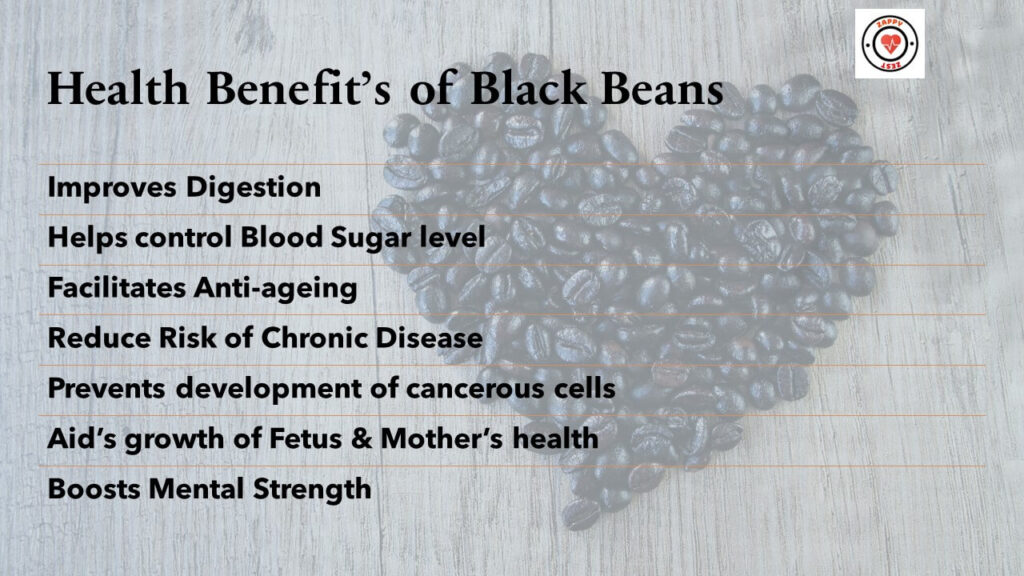
There are some substances in black beans which are beneficial for maintaining a good heart health. Along with protein black beans contain soluble fibres which are a big contributing factor in binding the necessary substances in the colon and flushing away waste from the digestive tract. The gel like form of soluble fibre will bind cholesterol so that the accumulation of plaque that could plug up the artery could be reduced or removed completely. It can help to keep a good digestion that will improve the liver function, which can help control blood sugar level. Fibre has a other important function in human body as well and one of them is that it is very good for digestion. So, common stomach issue like constipation could be dealt with effectively just by consumption of black beans.
Phytochemical compounds and Flavonoid found in black beans are super-efficient in preventing the development of cancerous cells in the body. Those two substances act as anti-inflammatory and antioxidant which are the reasons why cancerous cells cannot grow in the body. Antioxidant has important role in removing or repairing the damaged cells before they could infect the healthy cells and help preventing the mutation of gene. Antioxidants contained in black beans are proven to be the highest among other varieties of beans. Antioxidants can be easily found in vegetables, fruits and other beans but black beans contain exceptionally high quantity. Antioxidant acts as the anti-free radical compound which removes it from the body system before they could affect the healthy cells that could cause the mutation of gene and rapid growth of cancerous cells.
Though fibre is one of the substances mostly found in food products that cannot be broken down, but f
There are substances in black beans which are good for pregnant woman. The first is foliate. Foliate, when consumed in appropriate quantity will turn into folic acid which is beneficial for the development of fetus, brain as well as the spinal cord. So, it is an essential substance that could prevent a baby born with birth defect. Black beans are also rich in minerals which contribute to producing red blood cells. During pregnancy, enough red blood cells is essential because they are required to build bones, muscle, and nerve system of the fetus. Iron is essential to keep the mother in healthy condition during and after pregnancy.
Black beans can also help in boosting mental strength. Since amino acid is an essential substance required by the nervous system, without which we are at an increased risk of Parkinson disease and in worst condition could cause disease like Alzheimer’s.
Adverse Effects
As the saying goes, eat food as your medicine or you will have to eat medicines as your food. Any food more than saturated quantity, and not properly cooked can have negative effect. It is important to cook black beans properly. Its better to have dried black beans and avoid canned black beans, for a matter of fact – any other types of beans, as they tend to have high level sodium. But if you cannot get dried black beans and want to get the benefits from canned beans, worry not, as some researches has found that simply draining and rinsing canned beans can reduce sodium significantly. Draining beans can reduce sodium in it up to 36%, whereas rinsing and draining can reduce sodium by 41%.13. Therefore, if 1/2 cup of canned beans contains about 460 milligrams of sodium, draining and rinsing the beans can reduce the sodium content to about 271 milligrams.
Most dried beans need to be soaked in water before use. Soaking softens and rehydrates the beans, reducing cooking time. In addition, soaking helps remove some of the substances that can cause digestive issues, such as flatulence and gas. So discard the water before cooking.
While most beans are high in FODMAPs (types of carbohydrates that can cause digestive symptoms in people with irritable bowel syndrome), recent research shows that canned beans are lower in FODMAPs than dried beans.
What Is a FODMAP?
FODMAP stands for fermentable oligo-, di-, mono-saccharides and polyols. These are short-chain carbohydrates that draw water into the digestive tract, which can lead to bloating and sensitivity. Eating a large volume of high-FODMAP foods can even cause them to ferment in the gut, contributing to further symptoms.
Consumption of black beans is safe and not much side effects are seen. Despite the known health benefits of beans and legumes, many people tend to shy away from them because of fears of excessive and embarrassing gas. Flatulence and stomach distress, including stool changes and bloating are the common side effects of consuming black beans. Black bean allergies are not common but can be a concern for people who are allergic to peanuts or soy or any legumes). Black beans are closely related to pinto beans, kidney beans, and green beans, so allergies to one may mean you are sensitive to others.
If you are looking for a quick shot recipe for Black beans click here.